Restaurant Inventory Management Software: Can You Trust the Numbers Behind an AI Forecast?
Restaurant inventory management software can tell you what the record says is available. But before a team uses that number to decide what to order next, there is another question worth asking: does it reflect what actually happened?
Imagine a restaurant preparing for a busy weekend. A manager opens the stock record and sees ten cases of tomatoes available. The team wants fifteen cases on hand before service, so ordering another five looks sensible.
There is a problem, though. The supplier delivered eight cases earlier in the week, and one was rejected because it was damaged. Seven were accepted, but the record still shows ten.
If seven is the actual quantity available and there are no other deliveries or movements to account for, the gap to the team’s target is eight cases, not five.
The example is fictional. The distinction is practical: an ordering decision can look precise while relying on an incomplete starting point.
What does AI forecasting do for restaurant inventory?
AI forecasting tools can use available information, such as past sales and demand patterns, to estimate what a restaurant might need. Some systems may suggest order quantities or highlight unusual patterns for a manager to investigate.
The possibilities are useful, but they vary by product. A forecast is still an estimate, and the information behind it matters. IBM notes that inaccurate or incomplete historical sales data can undermine AI forecasting models.
Good records do not make the future certain, either. A large booking, a cancelled event, a supplier delay or a menu change can alter what a team needs. A manager may know something on Monday that last month’s sales history cannot explain.
The question is not whether a prediction looks convincing. It is whether the team can understand enough about it to make a sound decision.
Where restaurant inventory records can lose context
Stock does not stay in one place while someone updates a spreadsheet.
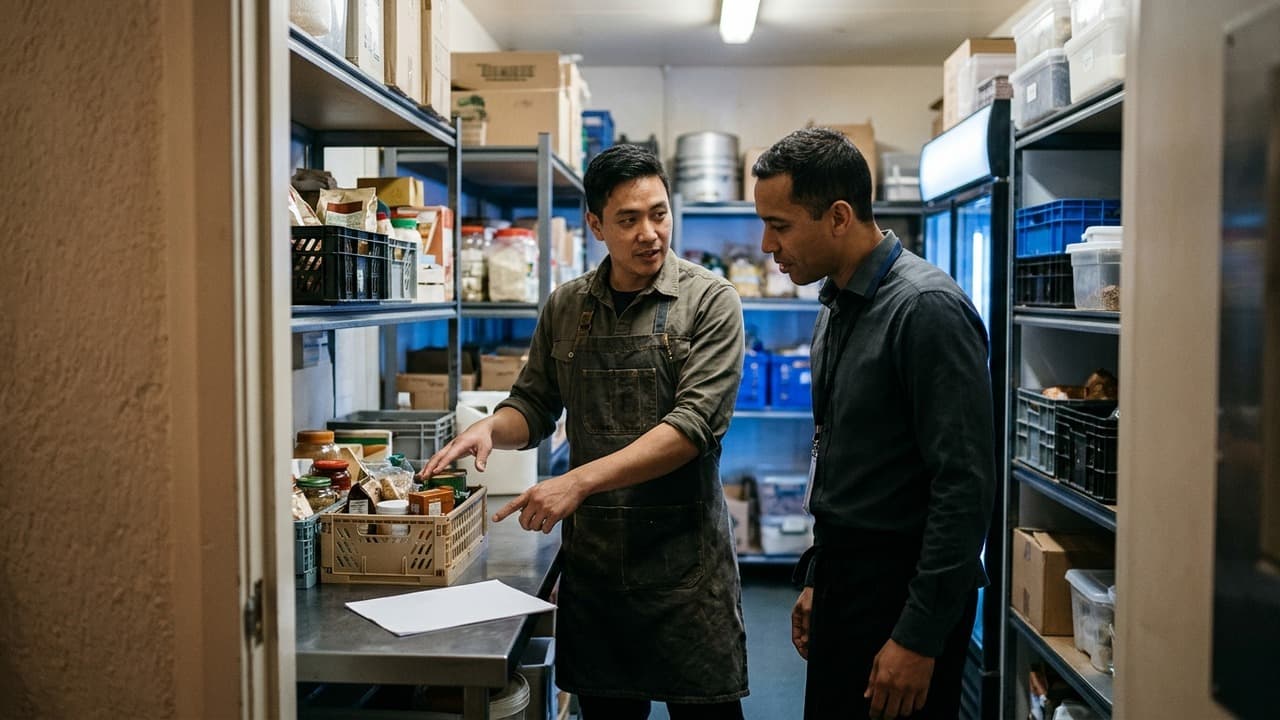
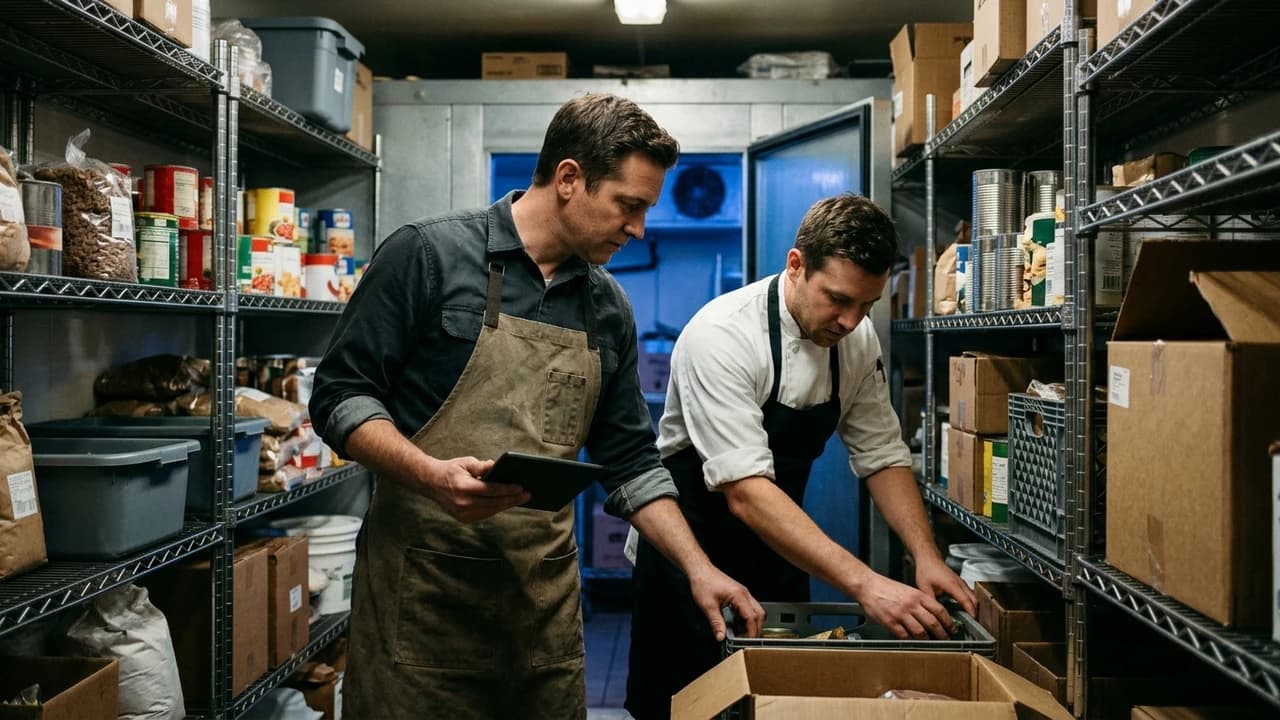
It arrives through a delivery door. It is checked, accepted or rejected. Some goes into a storeroom; some moves straight to the kitchen. During service, a colleague borrows an item from another location. Later, a damaged product is set aside.
Each movement leaves the next person with a question:
Receiving: What arrived, and what was accepted?
Transfers: What moved, from where, and to which location?
Counting: Was the quantity counted in cases, bottles, kilograms or another unit?
Wastage: What was removed, and has it already been recorded?
Handover: What remains uncertain, and who needs to check it?
When the answer stays in someone’s memory or a message instead of the working record, the quantity on screen can begin to tell a different story from the shelf.
That does not automatically mean stock is lost. In Six Bottles Short, we follow an illustrative hotel discrepancy back to a transfer that happened but was not recorded.
Five checks before relying on an inventory forecast
Whether you use a spreadsheet, restaurant inventory management software or a forecasting tool, start with these questions.
1. What information is the recommendation using?
Ask whether the recommendation draws on stock counts, past sales, supplier lead times or other inputs. Check when those inputs were last updated.
A recommendation is easier to question when the team knows what sits behind it.
2. Are the quantities using the same unit?
A record of three cases cannot be compared directly with a count of three bottles. Confirm the pack size and the unit used for each item, especially when goods arrive in one unit and are counted in another.
3. Have movements between locations been recorded?
A transfer can leave one location short and another better stocked. Check both ends: where the stock came from, where it went and how much moved.
4. Is uncertainty visible?
A partial delivery awaiting confirmation is different from a completed receipt. An estimated count is different from a verified count. Keep the distinction clear so the next person knows what needs attention.
5. Can someone review the recommendation?
A manager may know that a supplier is running late or that a large event has just been confirmed. Make room for that context before an order is placed.
The future of hospitality inventory management is not just a better dashboard
As inventory tools become more capable, restaurants will have more ways to turn information into recommendations. But the work still happens among people, deliveries, storerooms, kitchens and shifts.
That is where a useful record begins.
Elqar is built around those everyday hospitality inventory workflows: receiving stock, recording movements, reviewing quantities and handing context to the next shift. Its product guide describes receipts, issues, transfers and wastage as part of that process. Elqar is not presented here as an AI forecasting tool.
A better decision does not always start with a more sophisticated prediction. Sometimes it starts with knowing that seven cases arrived, one was rejected, and someone still needs to follow up on the rest.
Explore how Elqar works or enquire about the founding pilot.